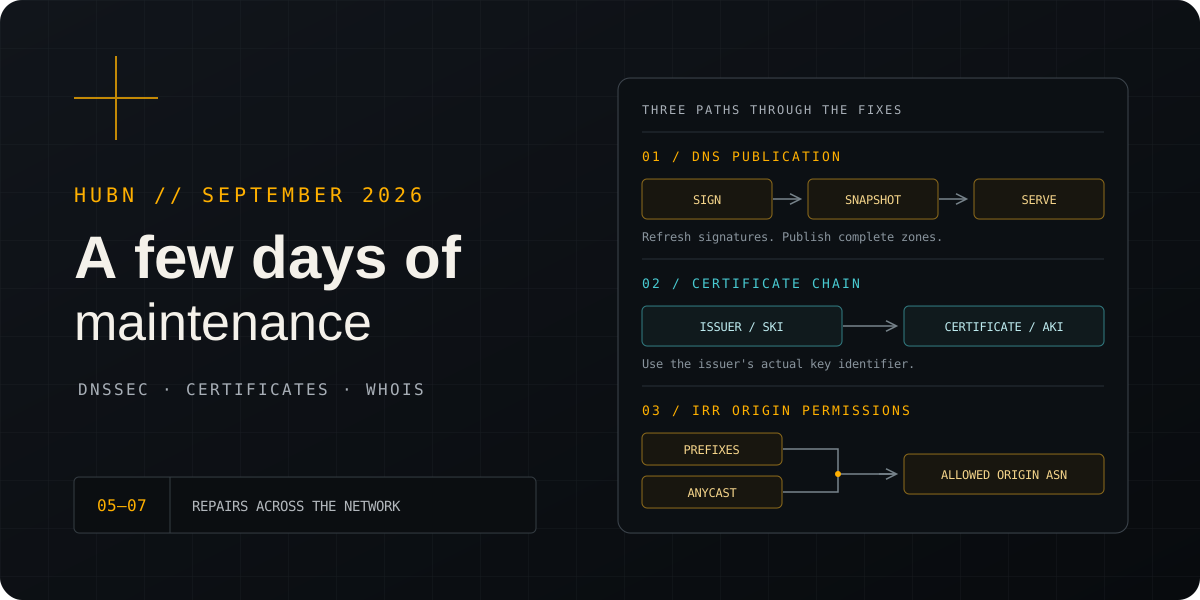
The last few days of HubN work started with broken DNS and ended with a link to an AS-SET. In between were certificate chains, wildcard records, a wiki refresh and several small websites.
There wasn’t a grand feature …
Continue reading
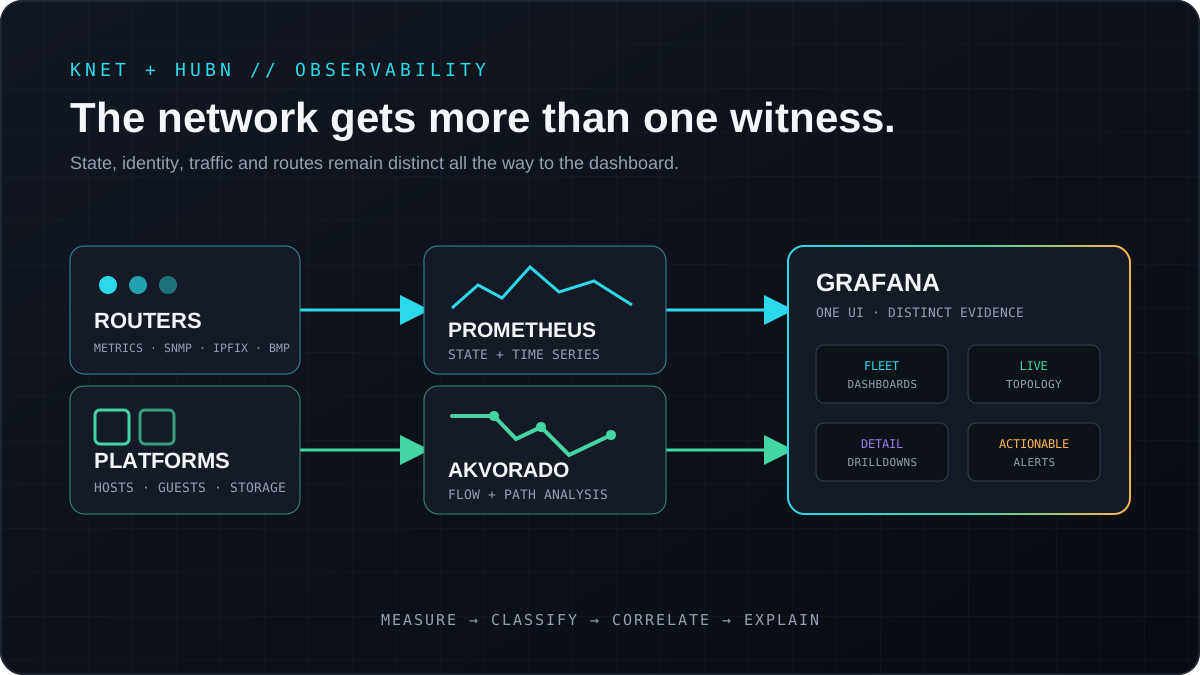
After moving the KNET and HubN configurations into Ansible, I had a much better record of what the network was supposed to look like. I still had to log into a router if I wanted to know what it was actually doing.
That …
Continue reading
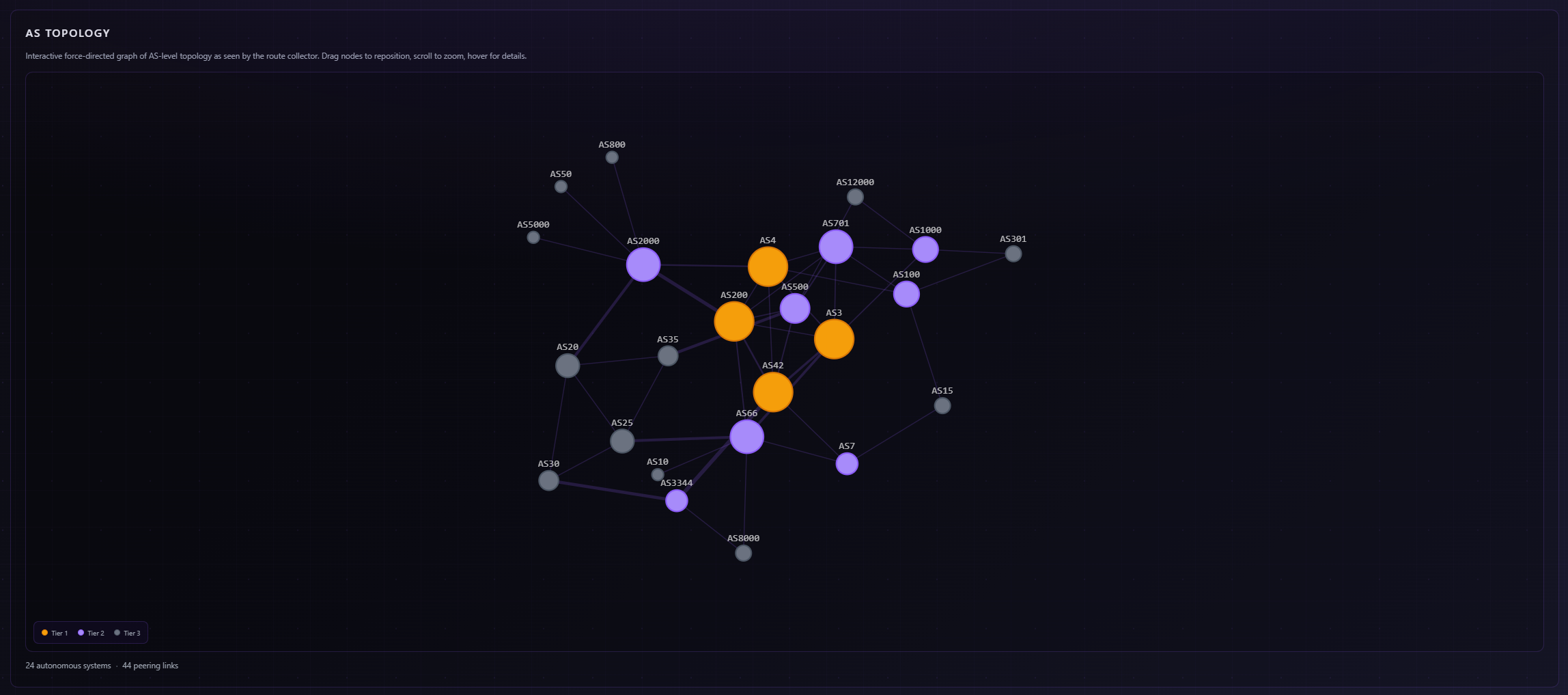
The HubN Registry now has a proper workflow for requesting, configuring and tracking a peering session. The actual network is older than that workflow.
Several BGP sessions were already running. They had working …
Continue reading
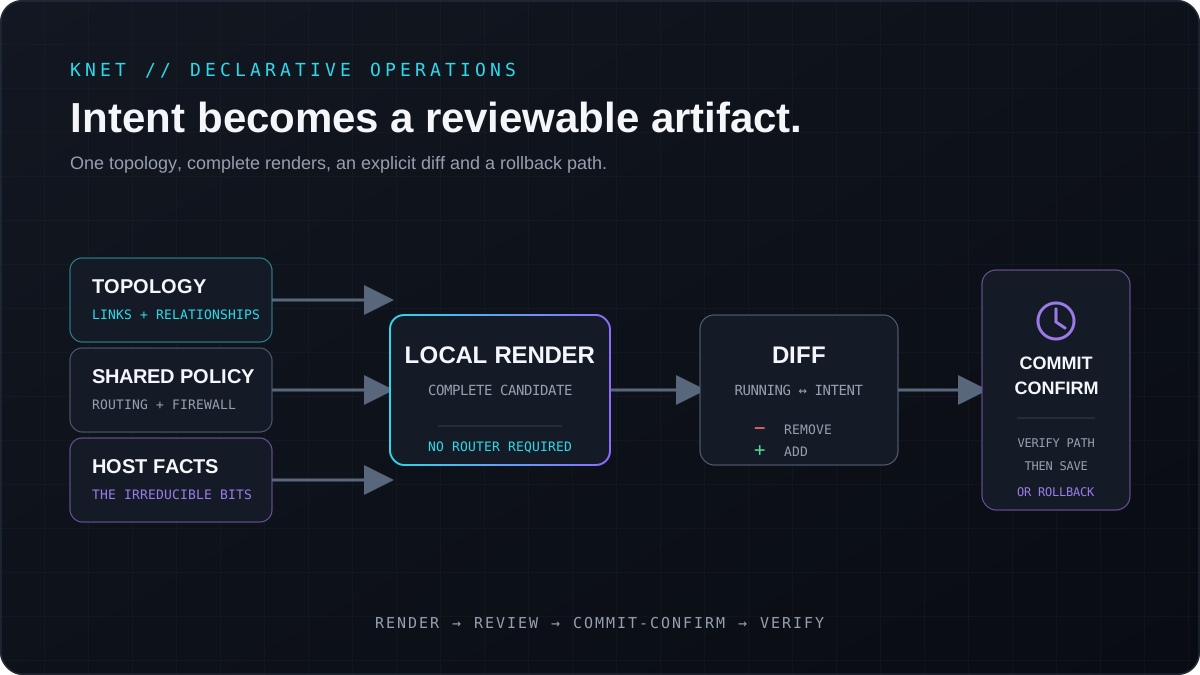
Over the last few days I’ve been moving the KNET and HubN router configurations into Ansible. This has been on the list for a while.
The network had grown across several sites, upstreams, WireGuard links, BGP policies …
Continue reading
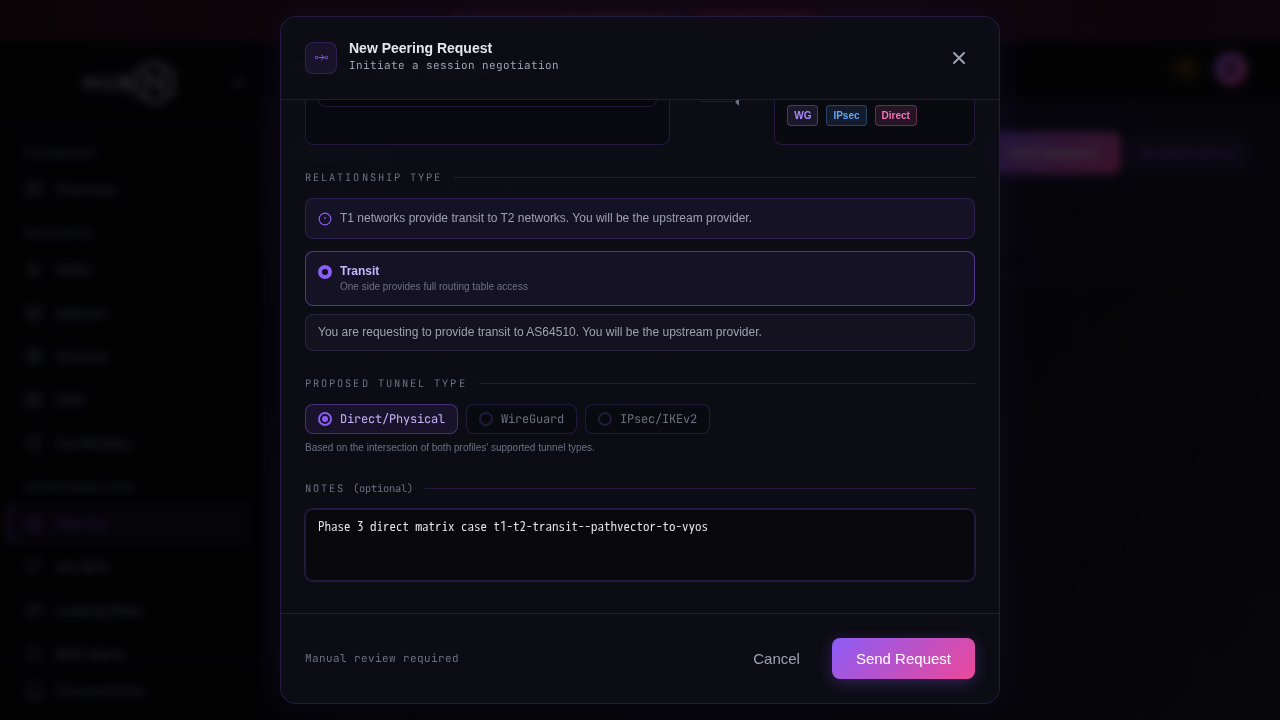
HubN’s peering portal can take two autonomous systems from a request to a set of BGP and tunnel configurations. It supports BIRD2, FRR, VyOS and Pathvector, direct links, WireGuard and IPsec, bilateral peering and …
Continue reading
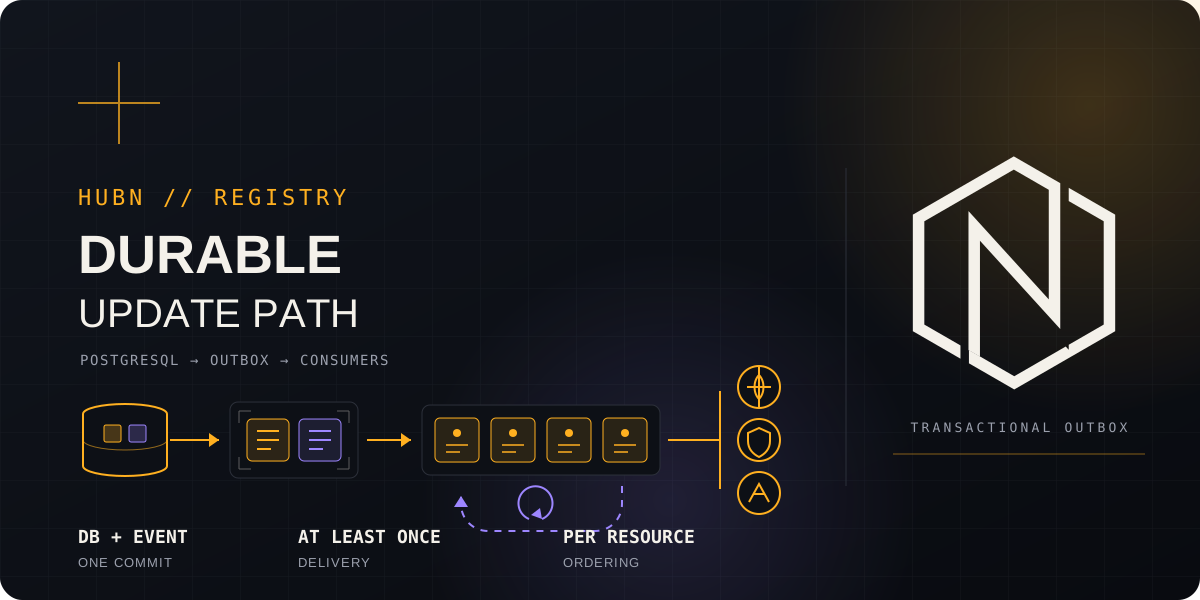
The HubN Registry stores allocations and requested state. Other services use that information to publish reverse DNS, generate ROAs, issue certificates and decide which BGP sessions ought to exist.
For a long time the …
Continue reading
No posts on this page match that filter.